
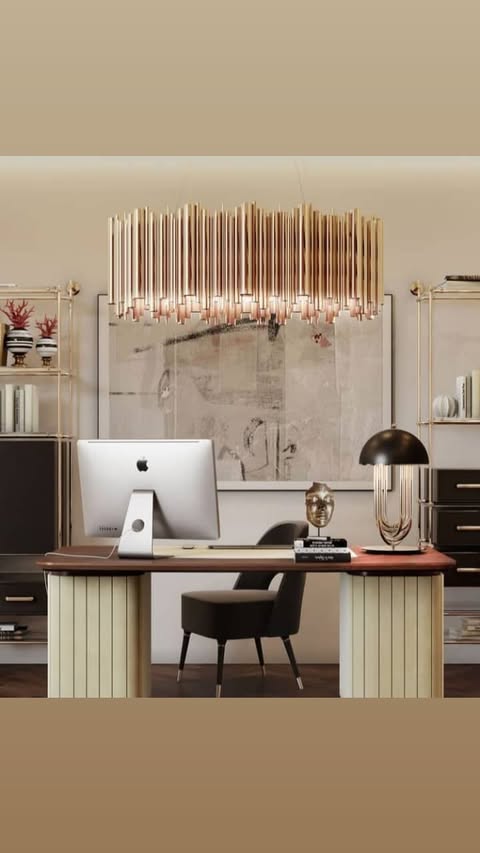
Office interior

Office Interior Design: Where Aesthetics Meet Productivity

Absolutely! Here’s a unique, professional blog post on the topic “Office Interior” that combines design insight with workplace psychology and modern trends:


Office Interior Design: Where Aesthetics Meet Productivity

In today’s business landscape, the concept of an “office” has evolved far beyond cubicles and filing cabinets. The modern office interior is now a critical component of company culture, employee well-being, and even brand identity. It’s no longer just a place to work—it’s a space that can inspire, connect, and energize.

Why Office Interiors Matter More Than Ever

As remote work becomes more prevalent, the physical office space must now justify its existence. That means it has to do more than house desks—it needs to foster creativity, collaboration, and comfort.

Great office interiors do this by blending functionality with design, offering environments where people not only get things done but also feel good doing them. And that has measurable business benefits: improved morale, higher productivity, and even talent retention.

Key Elements of a Modern Office Interior

1. Biophilic Design

Incorporating nature—plants, natural light, organic materials—into the workspace boosts mental health, reduces stress, and enhances cognitive function. Living walls, indoor gardens, and large windows aren’t just Instagram-worthy—they’re strategic.

2. Flexible Layouts

Gone are the days of fixed desks. Today’s offices need to support hot-desking, breakout zones, and quiet pods. Modular furniture, movable partitions, and multi-use spaces give employees the freedom to choose how they work.

3. Brand Integration

Your office interior is a reflection of your brand. Whether it’s through color schemes, wall art, furniture, or signage, integrating your brand identity into the space builds a stronger connection between your team and your mission.

4. Technology Integration

Smartboards, wireless charging stations, seamless video conferencing, and AI-powered lighting or climate control are no longer luxuries—they’re expectations. A modern interior accommodates tech without clutter or disruption.

5. Wellness-Centric Features

From ergonomic furniture to nap rooms and wellness lounges, companies are investing in spaces that support physical and mental health. The goal is to make employees feel cared for, not confined.

Office Interior Styles to Consider

🟠 Industrial Chic

Exposed brick, raw concrete, open ceilings, and metal fixtures—this look is both edgy and cost-effective, giving a space a modern, urban vibe.

🟢 Scandinavian Minimalism

Clean lines, muted tones, and a less-is-more approach. This style emphasizes clarity, order, and natural materials to create a serene workspace.

🔵 Contemporary Corporate

A polished look with bold color accents, sleek furniture, and functional layouts. Ideal for companies that want a professional yet modern aesthetic.

🟣 Eclectic Creative

Perfect for startups and creative agencies, this style features vibrant colors, mismatched furniture, wall murals, and plenty of personality.

Design Tips for a More Inspiring Office

  • Use color psychology: Blue boosts focus, green calms, yellow stimulates creativity.
  • Prioritize lighting: Maximize natural light; supplement with warm, adjustable LEDs.
  • Design for flow: Think about how people move through the space—ease and accessibility matter.
  • Include quiet zones: Silence is golden when it comes to focus and deep work.
  • Invest in acoustics: Open-plan offices need sound-absorbing elements to minimize noise distractions.

The ROI of Great Office Interiors

Think of office design as an investment, not an expense. Studies show that well-designed workspaces can:

  • Increase productivity by up to 20%
  • Reduce absenteeism by up to 25%
  • Improve employee satisfaction and retention

It’s also a powerful recruiting tool—first impressions matter, and potential hires often get their first real taste of company culture through your physical space.

Final Thoughts

Your office interior isn’t just a backdrop to your business—it’s a silent team member, influencing behavior, mood, and performance every single day. A well-thought-out space reflects your values, respects your people, and reinforces your brand.

In the age of hybrid work and digital overload, the office is no longer just where work happens—it’s where culture lives.

Gift branding

Gift Branding: Turning Thoughtful Gestures into Strategic Impact

Sure! Here’s a unique, informative, and engaging blog post on “Gift Branding”:


Gift Branding: Turning Thoughtful Gestures into Strategic Impact

In an age where marketing is more about meaningful connection than mere exposure, gift branding has emerged as a powerful strategy for businesses looking to make a lasting impression. It’s not just about handing out freebies with logos—it’s about creating a brand experience that is thoughtful, memorable, and deeply personal.

What is Gift Branding?

At its core, gift branding is the art of incorporating your brand identity into gifts in a way that resonates emotionally with the recipient. It combines elements of relationship-building, design thinking, and strategic marketing to deliver more than just a present—it delivers a message.

Whether it’s a corporate welcome kit, a holiday token for clients, or a swag bag at an event, the way you brand a gift can say everything about your company’s values, attention to detail, and commitment to the relationship.

Why Gift Branding Matters

1. Builds Emotional Connections

A well-thought-out gift shows appreciation, recognition, and care. When branded smartly, it links those emotions directly to your business. People may forget an ad, but they’ll remember how your gift made them feel.

2. Boosts Brand Recall

Functional, attractive branded gifts like notebooks, tumblers, or tech accessories remain in daily use—keeping your brand visible and top-of-mind.

3. Strengthens Loyalty and Referrals

Branded gifts can reinforce customer loyalty or encourage word-of-mouth referrals. A delighted client is far more likely to speak about your brand when they’ve been genuinely impressed.

4. Differentiates Your Brand

In saturated markets, how you express your brand personality matters. Unique, personalized gifts can help you stand out in a sea of sameness.

Elements of Effective Gift Branding

To make your gift branding strategy work, consider these critical elements:

🎁 Relevance

Choose gifts that align with the recipient’s lifestyle or professional needs. A tech company might give wireless chargers; a wellness brand might opt for eco-friendly yoga mats.

🧠 Consistency

Your gift should reflect your overall brand tone and aesthetic. Packaging, colors, and messaging must feel like an extension of your website, emails, and product experience.

🛠️ Quality

A branded gift is a reflection of your company. Low-quality items could damage your reputation more than help it. Think durability and usefulness.

👤 Personalization

Whenever possible, personalize gifts. Adding the recipient’s name or a handwritten note turns a standard gift into a meaningful one.

Creative Gift Branding Ideas

  • Branded Unboxing Experience: Think Apple-level packaging—clean, sleek, and emotionally satisfying to open.
  • Eco-Friendly Sets: Reusable water bottles, bamboo utensils, and recycled-paper notebooks that align with sustainable values.
  • Digital Goodies: Gift cards for online courses or branded NFTs for tech-forward clients.
  • Experience-Based Gifting: Curated experiences like wine-tasting kits, virtual wellness boxes, or even branded VR headsets for immersive experiences.

Common Pitfalls to Avoid

  • Over-branding: A gift plastered with logos can feel more like a marketing stunt than a gesture of goodwill.
  • One-size-fits-all: Uniform gifts might be efficient, but they rarely feel special. Segment your audience if possible.
  • Neglecting the packaging: Presentation matters. A beautiful box and thoughtful wrapping elevate the perceived value of even simple items.

Final Thoughts

Gift branding is no longer just a niche marketing tactic—it’s a key piece of the customer experience puzzle. In a world where attention is scarce but emotional connection is invaluable, a branded gift can become a bridge between your business and the hearts of your customers.

Done right, it’s not just a gift—it’s a story, a strategy, and a statement.

GLOBAL UNIFORM HUB

perception Gifts

  • “Perception Gift: The Art of Giving with Meaning Beyond the Surface”

  • “Why Perception Gifts Are the New Trend in Thoughtful Gifting”

  • “How Perception Gift Is Redefining Personalized Presents”

  • “The Secret Psychology Behind a Perception Gift – And Why It Matters”

  • “Gift Smarter, Not Harder: Unlocking the Power of Perception Gifts”

  • “What Makes a Gift Memorable? The Perception Gift Formula”

  • “Beyond Wrapping Paper: The Hidden Value in Perception Gifting”

  • “Perception Gifts Explained: Meaningful Giving in a Material World”

  • “Top 10 Reasons Why a Perception Gift Creates Lasting Impressions”

  • “How to Choose a Perception Gift That Speaks Volumes Without Words”

Back to Top
Product has been added to your cart