
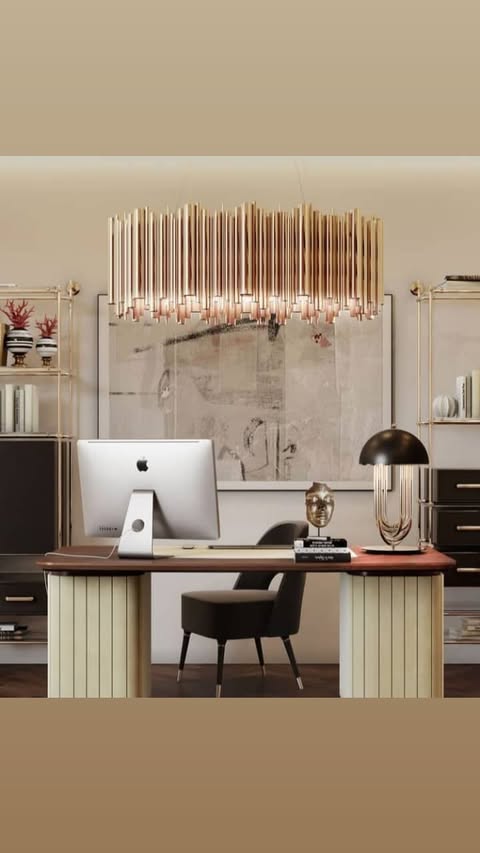
Office Interior Design: Where Aesthetics Meet Productivity
Absolutely! Here’s a unique, professional blog post on the topic “Office Interior” that combines design insight with workplace psychology and modern trends:
Office Interior Design: Where Aesthetics Meet Productivity
In today’s business landscape, the concept of an “office” has evolved far beyond cubicles and filing cabinets. The modern office interior is now a critical component of company culture, employee well-being, and even brand identity. It’s no longer just a place to work—it’s a space that can inspire, connect, and energize.
Why Office Interiors Matter More Than Ever
As remote work becomes more prevalent, the physical office space must now justify its existence. That means it has to do more than house desks—it needs to foster creativity, collaboration, and comfort.
Great office interiors do this by blending functionality with design, offering environments where people not only get things done but also feel good doing them. And that has measurable business benefits: improved morale, higher productivity, and even talent retention.
Key Elements of a Modern Office Interior
1. Biophilic Design
Incorporating nature—plants, natural light, organic materials—into the workspace boosts mental health, reduces stress, and enhances cognitive function. Living walls, indoor gardens, and large windows aren’t just Instagram-worthy—they’re strategic.
2. Flexible Layouts
Gone are the days of fixed desks. Today’s offices need to support hot-desking, breakout zones, and quiet pods. Modular furniture, movable partitions, and multi-use spaces give employees the freedom to choose how they work.
3. Brand Integration
Your office interior is a reflection of your brand. Whether it’s through color schemes, wall art, furniture, or signage, integrating your brand identity into the space builds a stronger connection between your team and your mission.
4. Technology Integration
Smartboards, wireless charging stations, seamless video conferencing, and AI-powered lighting or climate control are no longer luxuries—they’re expectations. A modern interior accommodates tech without clutter or disruption.
5. Wellness-Centric Features
From ergonomic furniture to nap rooms and wellness lounges, companies are investing in spaces that support physical and mental health. The goal is to make employees feel cared for, not confined.
Office Interior Styles to Consider
🟠 Industrial Chic
Exposed brick, raw concrete, open ceilings, and metal fixtures—this look is both edgy and cost-effective, giving a space a modern, urban vibe.
🟢 Scandinavian Minimalism
Clean lines, muted tones, and a less-is-more approach. This style emphasizes clarity, order, and natural materials to create a serene workspace.
🔵 Contemporary Corporate
A polished look with bold color accents, sleek furniture, and functional layouts. Ideal for companies that want a professional yet modern aesthetic.
🟣 Eclectic Creative
Perfect for startups and creative agencies, this style features vibrant colors, mismatched furniture, wall murals, and plenty of personality.
Design Tips for a More Inspiring Office
- Use color psychology: Blue boosts focus, green calms, yellow stimulates creativity.
- Prioritize lighting: Maximize natural light; supplement with warm, adjustable LEDs.
- Design for flow: Think about how people move through the space—ease and accessibility matter.
- Include quiet zones: Silence is golden when it comes to focus and deep work.
- Invest in acoustics: Open-plan offices need sound-absorbing elements to minimize noise distractions.
The ROI of Great Office Interiors
Think of office design as an investment, not an expense. Studies show that well-designed workspaces can:
- Increase productivity by up to 20%
- Reduce absenteeism by up to 25%
- Improve employee satisfaction and retention
It’s also a powerful recruiting tool—first impressions matter, and potential hires often get their first real taste of company culture through your physical space.
Final Thoughts
Your office interior isn’t just a backdrop to your business—it’s a silent team member, influencing behavior, mood, and performance every single day. A well-thought-out space reflects your values, respects your people, and reinforces your brand.
In the age of hybrid work and digital overload, the office is no longer just where work happens—it’s where culture lives.